
HOUSTON — Jeremiah Counsel Corporation is challenging Second Baptist Church’s argument that members elected former senior pastor Ed Young to a new governing board by approving bylaws — and that his subsequent appointments amounted to elections of the remaining directors.
Jeremiah Counsel, a nonprofit formed by current and former Second Baptist members, is asking Texas Business Court Judge Grant Dorfman to recognize the former trustees as the church’s lawful governing board until valid successors are elected. That request, argued at an Oct. 19 hearing, would allow the trustees to arrange a congregational election.
The dispute concerns who was entitled to take control of the Houston megachurch after its 2023 governance changes eliminated member voting and replaced the Board of Trustees with a Ministry Leadership Team, or MLT.
Jeremiah Counsel Director Douglas Y. Bech said in an Oct. 27 email to Katy Christian Magazine that both sides had requested the hearing transcript and planned to file post-hearing briefs. He said Dorfman would rule after that process.

In an Oct. 25 statement supplied to KCM, Bech described the hearing as encouraging and said the judge questioned whether the new leadership team had been established consistently with the church’s surviving charter.
For Jeremiah Counsel, that question reaches the independence of the people overseeing the pastor, his compensation and church finances. Bech said the new arrangement gives the pastor “the unchecked power to select the people to oversee him.”
KCM’s original May 2025 report on the lawsuit documented similar concerns in an interview with former deacon vice chairman Rob Hungate. He said members had been asked to approve bylaws they had not been allowed to review and later encountered restrictions when trying to obtain copies.
Why Jeremiah Counsel Says No Election Took Place
The latest arguments follow Dorfman’s July 15 ruling upholding the 2023 bylaws, which dismissed most of Jeremiah Counsel’s claims.
That ruling also invalidated the attempted amendment to Article V of the church’s 1928 charter because members had not received the required written notice. The older provision remained in effect, including its requirement for elected trustees.
Dorfman did not accept Jeremiah Counsel’s argument that Article V expressly reserves those elections to the congregation. He found that the provision does not specify who conducts them.
Jeremiah Counsel’s current challenge is whether an election occurred at all.
Under the 2023 bylaws, the senior pastor and the individuals he appointed made up the initial MLT. Later members could be nominated by the senior pastor and elected by the existing team. The congregation lost its votes on the selection of pastors and governing leaders, amendments to governing documents and major church business.
Bech outlined the organization’s objections and plans to seek rehearing in a July interview with KCM. Jeremiah Counsel then filed new motions challenging the board’s authority Aug. 14.
Its Sept. 30 reply argued that approving bylaws did not elect directors. Members did not receive a slate of MLT candidates or vote on the people who would occupy the board seats.
“Designating and appointing are not the same as electing,” Jeremiah Counsel’s attorneys wrote.
The filing points to separate provisions of the Texas Business Organizations Code governing bylaws and director elections. Section 22.161 addresses members voting for the people to be elected.
According to Bech’s account of the October hearing, church attorneys argued that the May 31, 2023, vote elected Young to the MLT and that his later selections of the other members could count as elections by one person.

Jeremiah Counsel says that interpretation conflicts with the bylaws’ description of the initial members as appointed. It also argues that the notice for the meeting announced a bylaws update, not an election of directors.
Independent Oversight and the Former Trustees
Bech said the trustees who recommended the changes in May 2023 had been told that the new leadership team would consist of independent church members like themselves. Instead, he said, the team came to include relatives, employees and others loyal to the Young family.
Jeremiah Counsel is asking the court to recognize the former trustees under a corporate “holdover” principle: If valid successors were never selected, the previous directors remain in office.
The organization’s Sept. 30 filing says three trustees submitted declarations pledging to serve until a new board could be validly seated.
The board’s status could also affect transactions undertaken since 2023. Jeremiah Counsel argues that decisions involving finances, property and contracts may require review if the MLT lacked authority to act.
The organization does not contend that every past decision must be discarded. Its filing distinguishes between actions requiring member approval to ratify and other transactions a lawful Board of Trustees could review and approve.
The challenge also reaches Ben Young’s corporate authority. He succeeded his father as senior pastor in 2024 without a congregational vote. Jeremiah Counsel contends that an improperly established MLT could not validly elect him to the corporate position of chief executive officer.
Its Sept. 30 reply says the court does not have to decide his pastoral status. The organization argues that members could address the disputed corporate appointment through an election.
Religious Freedom and Corporate Accountability
Second Baptist has relied on the constitutional protection of church autonomy, which restricts civil courts from deciding religious doctrine and intervening in core church governance. That defense succeeded on significant portions of the lawsuit in July.
Jeremiah Counsel points to the bylaws themselves, which describe the MLT as the board of directors and make its powers subject to the Texas Business Organizations Code and the church’s articles of incorporation.
In his latest statement, Bech said church attorneys nevertheless argued that religious protections prevent a civil court from requiring compliance with nonprofit law in this dispute. Jeremiah Counsel maintains that the court can determine whether the board was lawfully established without deciding theology.
The July opinion already applied corporate notice requirements when it invalidated the attempted charter amendment. Jeremiah Counsel is asking Dorfman to apply that same principle to the process used to select the initial MLT.
For members seeking a return to congregational government, the dispute also concerns Second Baptist’s identity. As KCM’s guide to Christian denominations explains, Baptist autonomy and congregational participation concern different aspects of church authority. Autonomy protects the local church from outside control; congregational governance gives its members a voice within it.
“Religious freedom was never intended to give church leaders unlimited power or make them immune from accountability,” Bech said.
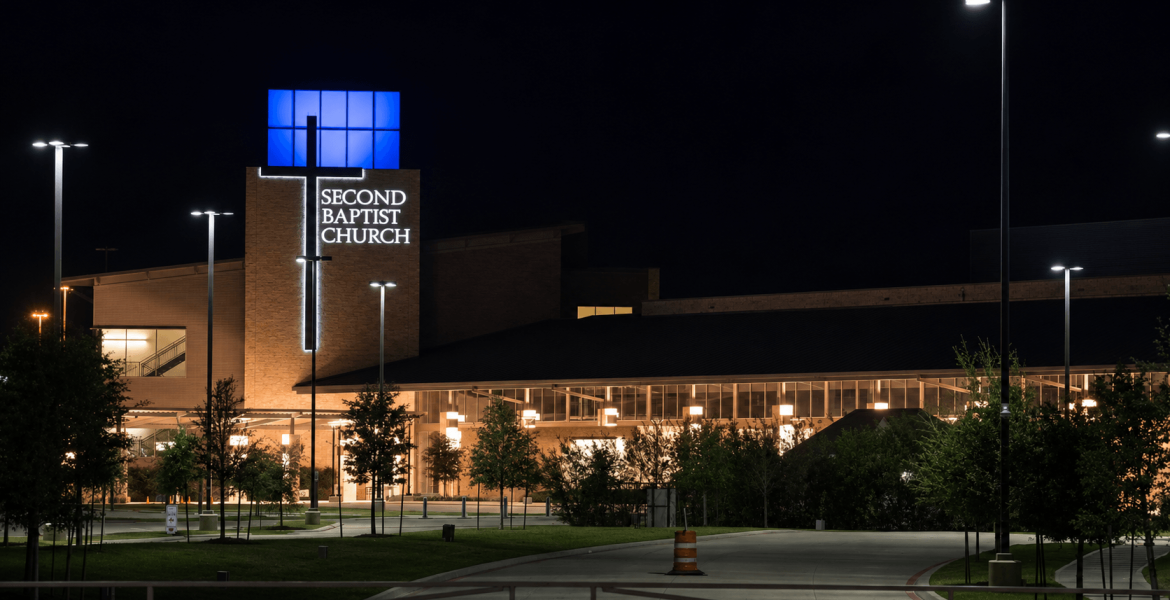
Feature photo: AI-generated recreation of a nighttime photograph of Second Baptist Church.