
Submission by Aaron Jones, AJ’s Waggin’ Train
Chocolate, grapes, raisins, xylitol and other ordinary household foods can make dogs seriously ill. Some may cause seizures, liver damage, kidney failure or death, while others can create choking hazards, intestinal blockages or severe digestive problems.
This guide identifies 50 foods, ingredients and kitchen hazards dog owners should recognize. Not every item carries the same level of risk. A small amount of one food may cause only an upset stomach, while a small amount of another may constitute a medical emergency. A dog’s size, health, the amount consumed and the specific product involved can all affect the outcome.
Katy-area pet owners can also read Aaron Jones’ guide to keeping dogs safe during holiday fireworks or explore his list of dozens of dog-friendly restaurants in Katy and the surrounding area.

What Should You Do If Your Dog Eats Something Toxic?
Discovering that your dog has eaten something potentially toxic can be frightening, but prompt action can make a major difference. Remove any remaining food from your dog’s reach and contact your veterinarian, a 24-hour emergency animal hospital or the ASPCA Animal Poison Control Center at (888) 426-4435. A consultation fee may apply.
Be prepared to explain what your dog ate, approximately how much was consumed and when it happened. Save the packaging or ingredient list when possible, particularly if the product was sugar-free or contained several ingredients.
Never try to make your dog vomit unless a veterinarian or veterinary poison-control professional specifically instructs you to do so. Inducing vomiting may be appropriate in some cases, but the ASPCA warns that attempting it without professional guidance can cause further harm. Avoid home remedies and advice from unqualified social media accounts.
Do not wait for symptoms to develop before calling. Some toxins begin causing internal damage before a dog appears sick.
Foods That May Require Emergency Veterinary Care
1. Chocolate
Chocolate contains theobromine and caffeine, stimulants that dogs process poorly. Baking chocolate and dark chocolate generally contain the highest concentrations, although the danger depends on the type of chocolate, the amount eaten and the dog’s weight. Symptoms may include vomiting, diarrhea, restlessness, rapid heart rate, tremors, seizures and abnormal heart rhythms. The Merck Veterinary Manual advises that severe chocolate poisoning can produce life-threatening cardiac and neurological effects.
2. Xylitol
Xylitol is a sugar substitute found in some sugar-free gum, candy, baked goods, nut butters, toothpaste, mouthwash, medications and dietary supplements. It can cause a rapid drop in a dog’s blood sugar and, in some cases, liver failure or bleeding problems. Weakness, vomiting, staggering, shaking, seizures and collapse may follow.
The U.S. Food and Drug Administration warns that symptoms may begin quickly, although some serious effects can be delayed. Any suspected xylitol ingestion should be treated as an emergency.
3. Grapes
Grapes can cause acute kidney injury in dogs. Researchers have identified tartaric acid and potassium bitartrate as the most likely causes, but concentrations vary among individual grapes, and dogs do not all respond in the same way.
Because there is no dependable safe quantity, Cornell University’s canine health guidance recommends treating any ingestion seriously. Vomiting, diarrhea, lethargy, loss of appetite and abdominal pain may occur before kidney damage becomes apparent.
4. Raisins
Raisins are dried grapes and present the same danger of acute kidney injury. Their smaller size also makes it easy for a dog to consume several at once. Raisins may be hidden in cereal, bread, cookies, trail mix and other foods, so check the complete ingredient list after an accidental ingestion.
5. Alcohol
Beer, wine, liquor, mixed drinks and foods containing alcohol can poison dogs. Alcohol depresses the central nervous system and may cause vomiting, disorientation, poor coordination, difficulty breathing, low body temperature, seizures, coma or death. Unbaked yeast dough creates an additional alcohol hazard as it ferments in the stomach.
6. Caffeine
Coffee, tea, energy drinks, caffeine pills, coffee beans, grounds and some pre-workout supplements contain stimulants that can affect a dog’s heart and nervous system. Symptoms may include restlessness, panting, rapid or abnormal heart rhythms, tremors, seizures and collapse. Concentrated products, including caffeine pills and coffee grounds, are particularly dangerous.
7. Wild Mushrooms
Wild mushrooms range from harmless to deadly, and distinguishing among them can be difficult even for experienced observers. Toxic varieties may cause vomiting, neurological problems, liver failure, kidney damage, seizures or death. Treat an unknown mushroom ingestion as an emergency. If it can be done safely, photograph the mushroom and surrounding area to help with identification.
8. Hops
Hops used in home brewing can cause malignant hyperthermia, a dangerous and rapid increase in body temperature. Signs may include intense panting, agitation, vomiting, muscle rigidity, seizures and collapse. Used hops remain dangerous after brewing and should be kept away from dogs.
9. Raw Yeast Dough
Raw yeast dough can continue rising after a dog swallows it, expanding in the stomach and causing painful bloating. Fermentation also produces alcohol, creating the possibility of alcohol poisoning. A swollen abdomen, repeated attempts to vomit, weakness, disorientation or difficulty breathing requires immediate veterinary attention.
10. Macadamia Nuts
Macadamia nuts can cause vomiting, weakness, tremors, fever and difficulty walking. Although the symptoms are usually temporary and nonfatal, affected dogs may still require professional evaluation and supportive care. According to the Merck Veterinary Manual, signs typically begin within 12 hours and generally resolve within 12 to 48 hours.
Toxic Ingredients and Dangerous Plant Parts
11. Onions
Onions contain compounds that can damage a dog’s red blood cells and lead to hemolytic anemia. Raw, cooked, fried, dehydrated and powdered onions can all be harmful. Symptoms may be delayed for several days and can include weakness, pale gums, rapid breathing, vomiting and loss of appetite.
12. Garlic
Garlic belongs to the allium family and can also damage red blood cells. Fresh garlic, garlic powder, garlic salt and cooked garlic may all present a risk. Concentrated powders can be especially concerning because a relatively small amount may represent several cloves.
13. Chives
Chives contain the same type of harmful compounds found in onions and garlic. Dogs that consume enough may develop vomiting or diarrhea followed by signs of anemia. Fresh and dried chives should be kept away from pets.
14. Leeks
Leeks are another member of the allium family. They can damage red blood cells whether served raw or cooked. Because leeks are commonly used in soups, casseroles and prepared meals, owners should check ingredients before sharing table food.
15. Shallots
Shallots are closely related to onions and garlic and carry similar risks. Cooking does not eliminate the harmful compounds. Signs may include vomiting, weakness, lethargy, rapid breathing and pale gums.
16. Cherry Pits, Leaves and Stems
The flesh of a ripe cherry is not the main concern. Cherry pits, leaves and stems contain cyanogenic compounds that can release cyanide when chewed. The pits also create choking and intestinal-obstruction hazards. Contact a veterinarian if your dog chews or swallows them.
17. Peach Pits
Peach pits contain cyanogenic compounds and can become lodged in a dog’s digestive tract. Even when poisoning does not occur, the pit may cause an obstruction that requires surgery. Remove the pit before offering a small piece of peach.
18. Plum Pits
Plum pits present poisoning, choking and obstruction risks. A swallowed pit may become trapped in the stomach or intestines, while a chewed pit can release cyanogenic compounds.
19. Apricot Pits
Apricot pits, stems and leaves contain compounds capable of releasing cyanide when chewed. The pit may also block the digestive tract. Dogs should not have access to whole apricots or discarded pits.
20. Rhubarb Leaves
Rhubarb leaves contain soluble oxalates that may interfere with calcium levels and damage the kidneys. Drooling, vomiting, weakness, tremors and loss of appetite may follow. The leaves contain substantially more oxalate than the edible stalk, but dogs should be kept away from the entire plant.
21. Moldy Walnuts
Ordinary walnuts are high in fat and may cause digestive upset, while moldy walnuts can contain tremorgenic mycotoxins capable of causing shaking, loss of coordination and seizures. Whole walnuts also present choking and obstruction hazards. Seek immediate care if a dog develops tremors after eating walnuts or other moldy food.
22. Avocados and Avocado Pits
The flesh of an avocado is generally less dangerous to dogs than it is to certain other animals, but it may still cause vomiting or diarrhea, and its high fat content can be a problem for dogs prone to pancreatitis. The pit presents the greater danger because it can cause choking or an intestinal blockage. Avoid giving dogs avocado and keep discarded pits out of reach.
23. Iron Supplements and Prenatal Vitamins
Iron supplements, including many prenatal vitamins, can be extremely dangerous to dogs. A large dose may cause severe vomiting, bloody diarrhea, abdominal pain, shock, liver damage and organ failure. Sweet coatings may make the tablets attractive to pets. Contact an emergency veterinarian immediately after a suspected ingestion.
24. Nutmeg
Nutmeg contains myristicin, which may affect a dog’s nervous system when consumed in substantial amounts. Possible effects include disorientation, elevated heart rate, high blood pressure, tremors and seizures. The small amount present in a bite of baked food is less concerning than direct access to a container of ground nutmeg.
25. Apple Seeds
Apple flesh is generally safe for dogs, but the seeds contain cyanogenic compounds that can release cyanide when crushed or chewed. Accidentally swallowing a seed or two is unlikely to cause poisoning, but dogs should not be allowed to eat apple cores or large quantities of seeds.
26. Green Tomatoes
Unripe green tomatoes contain more tomatine than ripe tomatoes. Large exposures may cause drooling, vomiting, diarrhea, weakness and loss of coordination. A small piece of ripe red tomato is generally less concerning, but dogs should not be allowed to eat unripe tomatoes from the garden.
27. Tomato Leaves and Stems
The leaves and stems of tomato plants contain higher concentrations of tomatine than ripe fruit. Dogs that chew the plant may develop drooling, stomach upset, weakness or poor coordination. Keep pets away from tomato plants and collect garden trimmings promptly.
28. Raw Green Potatoes
Green potatoes and potato sprouts contain higher concentrations of glycoalkaloids, including solanine. Eating them may cause vomiting, diarrhea, abdominal pain, weakness or lethargy. Plain, fully cooked potato without butter, salt or seasoning presents a different and generally lower risk.
29. Excess Salt
A large quantity of salt can cause sodium poisoning, particularly when a dog lacks access to fresh water. Sources may include salty snacks, brine, seawater and homemade play dough. Symptoms can include extreme thirst, vomiting, weakness, poor coordination, tremors, seizures and coma. Fresh water should always be available, but do not attempt to treat suspected salt poisoning without veterinary instructions.
Choking, Obstruction and Dietary Hazards
30. Corn Cobs
Corn itself is not toxic to dogs, but the cob can create a serious intestinal blockage. Dogs frequently swallow sections that cannot pass through the digestive tract. Call your veterinarian promptly if your dog swallows any part of a corn cob, even if no symptoms are present.
31. Cooked Bones
Cooked chicken, turkey, pork and beef bones can become brittle and splinter when chewed. Sharp pieces may injure the mouth, throat, stomach or intestines, while larger pieces may cause choking or obstruction. The FDA includes bones and corn cobs among food-related blockage hazards.
32. Fat Trimmings
Fat trimmings and rich table scraps can cause vomiting and diarrhea. They may also contribute to pancreatitis, a painful inflammation of the pancreas that can require hospitalization. Vomiting, abdominal pain, restlessness, diarrhea, weakness and refusal to eat warrant veterinary attention.
33. Blue Cheese
Certain blue cheeses, including Roquefort, may contain roquefortine C, a substance produced by mold. A significant exposure can cause vomiting, restlessness, tremors, muscle twitching or seizures. Blue cheese is also high in fat and salt, giving owners additional reasons to keep it away from dogs.
34. Moldy Foods
Moldy bread, cheese, fruit, nuts and other spoiled foods may contain tremorgenic mycotoxins that affect the nervous system. Dogs that enter garbage cans or compost piles are particularly vulnerable. Vomiting, tremors, muscle rigidity, fever, weakness or seizures require prompt veterinary care.
35. Raw Eggs
Raw eggs may contain bacteria such as Salmonella. A single accidental exposure is unlikely to poison an otherwise healthy dog, but regularly feeding raw eggs carries food-safety and nutritional concerns. Fully cooked, unseasoned eggs are a safer occasional treat.
36. Raw Meat
Raw meat can carry Salmonella, E. coli, Listeria and other pathogens that may affect dogs and people in the household. The American Veterinary Medical Association discourages feeding dogs and cats animal-source proteins that have not undergone a process capable of eliminating pathogens.
Owners considering any raw diet should consult a veterinarian or veterinary nutritionist about food safety and nutritional balance. Simply giving a dog raw meat or grocery-store scraps does not provide a complete diet.
37. Milk, Cheese and Ice Cream
Many adult dogs have difficulty digesting lactose. Milk, cheese and ice cream may cause gas, bloating, vomiting or diarrhea, particularly when consumed in large quantities. Ice cream and many cheeses are also high in sugar or fat. Sugar-free products present an additional concern if they contain xylitol.
38. Cat Food When Fed Regularly
A bite or two of cat food is unlikely to harm most dogs, but cat food should not replace a complete canine diet. It is formulated for the nutritional needs of cats and may contain more fat and protein than some dogs tolerate well. Regular consumption may contribute to digestive upset, unwanted weight gain or pancreatitis in susceptible dogs.
39. Spoiled Leftovers
Spoiled leftovers may contain harmful bacteria, mold toxins or rancid fats. Depending on what the food contains, a dog may develop vomiting, diarrhea, dehydration, tremors or more serious illness. Secure garbage cans and compost containers so dogs cannot reach discarded food.
40. Large Amounts of Cinnamon
A small amount of cinnamon in baked food is generally not toxic to dogs. Direct exposure to a large amount of cinnamon powder, however, can irritate the mouth and lungs and cause coughing, vomiting or diarrhea. Concentrated cinnamon essential oil presents a greater risk and should be kept away from pets.
41. Cream of Tartar
Cream of tartar contains potassium bitartrate, which is related to the tartaric acid believed to cause grape and raisin poisoning in dogs. Ingestion has been associated with acute kidney injury. Contact a veterinarian or animal poison-control service if your dog eats cream of tartar or a substantial amount of a product containing it.
Hidden Sources of Dangerous Ingredients
42. Sugar-Free Gum
Many sugar-free gums contain xylitol. Even a small number of pieces may expose a dog to a dangerous dose, depending on the product and the dog’s weight. Keep gum in closed cabinets or containers rather than purses and bags that pets can reach.
43. Sugar-Free Candy
Some sugar-free candies and desserts use xylitol as a sweetener. Check the ingredient label immediately after an accidental ingestion. If xylitol appears on the label—or the ingredients cannot be confirmed—contact a veterinarian or animal poison-control service.
44. Nut Butter Containing Xylitol
Most peanut and other nut butters do not contain xylitol, but certain reduced-sugar or specialty products may use it. Read the label every time, even if the brand has been safe in the past, because manufacturers can change formulations.
45. Protein and Energy Bars
Protein bars, meal-replacement bars and energy bars may contain chocolate, caffeine, raisins, macadamia nuts or xylitol. Several risky ingredients can appear in the same product. Save the wrapper and contact a veterinarian if your dog eats one.
46. Breath Mints
Sugar-free breath mints may contain xylitol. Their small size makes it easy for a dog to swallow several before an owner notices. Check the package and treat any confirmed xylitol exposure as a veterinary emergency.
47. Chocolate Candy
Chocolate candy may combine chocolate with raisins, macadamia nuts, coffee, alcohol or xylitol. Filled candies and mixed assortments can make it difficult to determine what a dog consumed. Save the packaging and report every known ingredient when calling for help.
48. Coffee Grounds
Used and unused coffee grounds contain concentrated caffeine. Dogs may encounter them in trash cans, discarded coffee filters, garden materials or compost piles. Restlessness, a rapid heartbeat, tremors, vomiting or seizures may follow an exposure.
49. Tea Bags
Black and green tea bags contain caffeine and should not be chewed or swallowed by dogs. Swallowing the bag or string may create an additional digestive hazard. Herbal teas vary widely in their ingredients, so keep the package available if you need to call a veterinarian.
50. Unbaked Cookie Dough
Cookie dough may contain raw flour, raw eggs, chocolate, raisins, macadamia nuts or xylitol. Dough made with yeast adds the danger of expansion and alcohol production inside the stomach. The appropriate response depends on the recipe, so identify the ingredients and contact a veterinarian if the dough contains anything dangerous.
Signs of Food Poisoning in Dogs
Symptoms do not always appear immediately. Depending on the substance, signs may begin within minutes, several hours or days after ingestion. Watch for:
- Vomiting
- Diarrhea
- Excessive drooling
- Loss of appetite
- Lethargy
- Weakness
- Abdominal pain or swelling
- Restlessness or pacing
- Tremors or muscle twitching
- Loss of coordination
- Difficulty walking
- Rapid or irregular heartbeat
- Difficulty breathing
- Pale gums
- Seizures
- Collapse or loss of consciousness
A dog may show only one or two mild symptoms before becoming seriously ill. Smaller dogs can receive a larger dose relative to their body weight, while puppies, senior dogs and dogs with existing medical conditions may be especially vulnerable.
If you know or suspect that your dog consumed a dangerous food, do not wait for symptoms before seeking advice. Call immediately after exposure to xylitol, grapes, raisins, alcohol, chocolate, raw yeast dough, hops, wild mushrooms, caffeine or any product capable of causing severe poisoning.
Go to an emergency veterinary hospital immediately if your dog has trouble breathing, collapses, experiences a seizure, develops severe tremors, cannot walk normally or repeatedly tries to vomit without bringing anything up.
Early treatment often provides the best chance of preventing lasting harm.
Keep dangerous foods in closed cabinets or sealed containers, and secure garbage and compost bins with tight-fitting lids. Purses, backpacks and suitcases may contain gum, candy, medications or snacks, so place them where pets cannot reach them.
Remind children and guests not to give a dog table food without permission. Clean spills promptly and inspect the yard regularly for mushrooms, discarded food and fallen fruit. Holiday gatherings deserve particular attention because chocolate, alcohol, rich foods, cooked bones and yeast dough may all be accessible at the same time.
A dog’s primary diet should be complete, balanced and formulated for canine nutrition. Safe human foods may occasionally be offered as treats, but owners should know which ingredients present genuine risks and which foods can create choking, obstruction or digestive hazards.
Reading labels, keeping dangerous products out of reach and knowing when to call for help can prevent many food-related emergencies. When you are unsure whether a food is safe, ask your veterinarian before offering it.
A few sensible precautions can help keep your four-legged family members healthy and safely by your side.
Disclaimer: This article is provided for educational and informational purposes and is not a substitute for professional veterinary advice, diagnosis or treatment. If you believe your dog has eaten something toxic or is showing signs of poisoning, contact your veterinarian, a 24-hour emergency veterinary hospital or the ASPCA Animal Poison Control Center at 888-426-4435. A consultation fee may apply. Do not delay professional care based on information you have read online.
Aaron Jones is a certified dog trainer and graduate of Animal Behavior College. In 2026, he was recognized as Best Dog Trainer in Houston during the Best of Houston Latino Awards. Jones specializes in science-based, reward-focused training intended to strengthen the relationship between dogs and their owners through trust, communication and positive reinforcement. He customizes his programs to individual dogs and uses humane training methods designed around each animal’s personality and needs.

Aaron Jones is a Certified Dog Trainer and graduate of Animal Behavior College. In 2026, he was recognized as the Best Dog Trainer in Houston in the 2026 Best of Houston Latino Awards. Aaron specializes in science-based, reward-focused training that strengthens the bond between dogs and their owners through trust, communication, and positive reinforcement. He customizes every training program to each dog’s unique personality and believes every dog can succeed with humane, effective training methods. His mission is to help families build happier, more confident relationships with their canine companions.
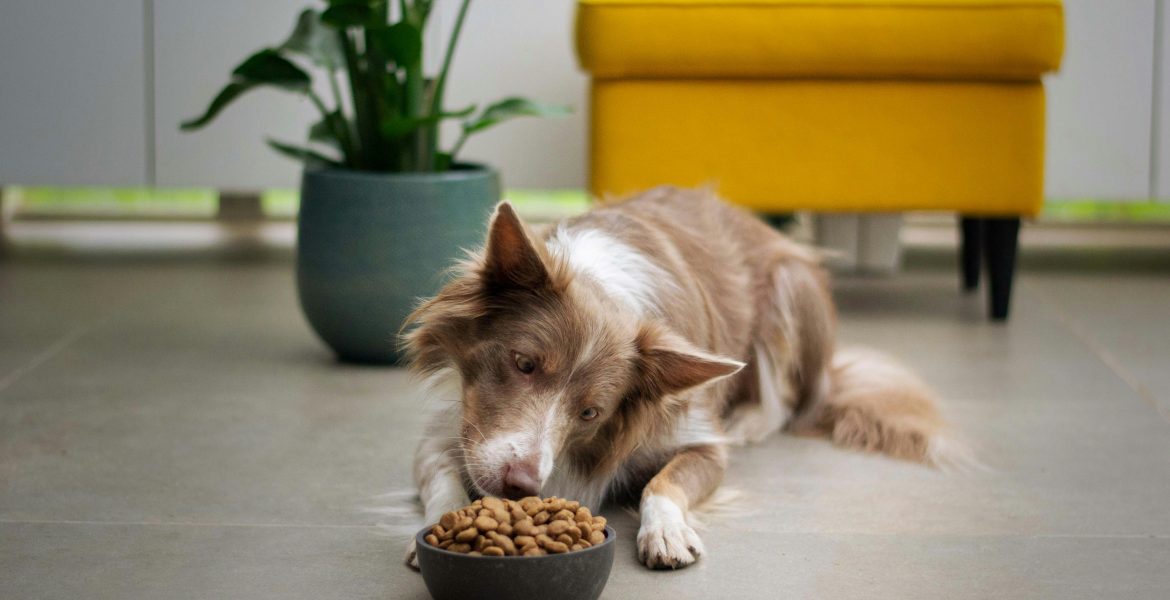
Feature photo: Ayla Verschueren on Unsplash