
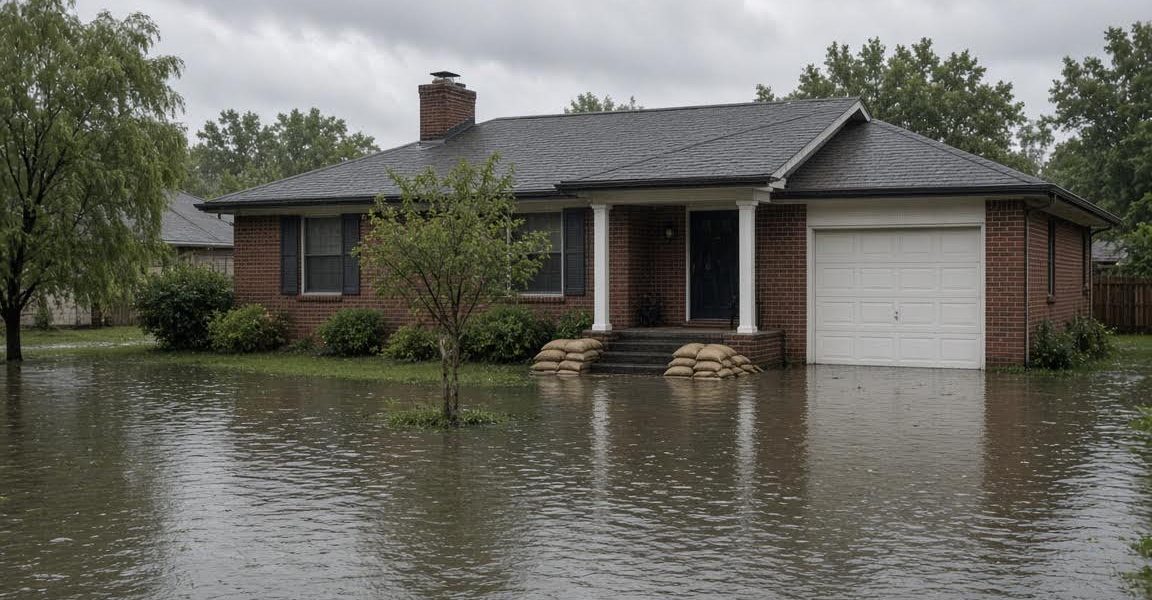
Submission by Eric B. Dick
Families in our area bring meals to neighbors, give church members rides and help one another after storms. Checking whether a home is protected against flooding is another way to care for the people who live there.
FEMA says most homeowners insurance does not cover flood damage. You can check your coverage at the kitchen table with your insurance papers and a call to your agent. An approaching federal deadline gives families another reason to do that now.
Another deadline for Congress

FEMA lists 11:59 p.m. on Dec. 11, 2026, as the deadline for Congress to renew the National Flood Insurance Program. The program has operated on short extensions for years. The Congressional Research Service counts 36 short-term reauthorizations since the end of fiscal year 2017. It has also lapsed twice recently, from Oct. 1 to Nov. 12, 2025, and from Feb. 1 to Feb. 3, 2026.
During a lapse, FEMA says it would retain authority to pay valid claims using the money available. New policy sales and renewals would stop until Congress acts. Ask your agent whether Congress has renewed the program by the time you read this. You can take the household steps below regardless of the program’s status.
Check what your policy covers
Protection from rising floodwater requires a separate flood policy covering the structure, its contents or both. A family can pay homeowners premiums for 20 years and still have no flood coverage.
The federal program also offers coverage to renters for furniture, clothing and other belongings. Many people associate flood insurance with houses near a bayou or the coast. FEMA says flooding can happen anywhere, so ask about coverage even if you have never seen water in your street.
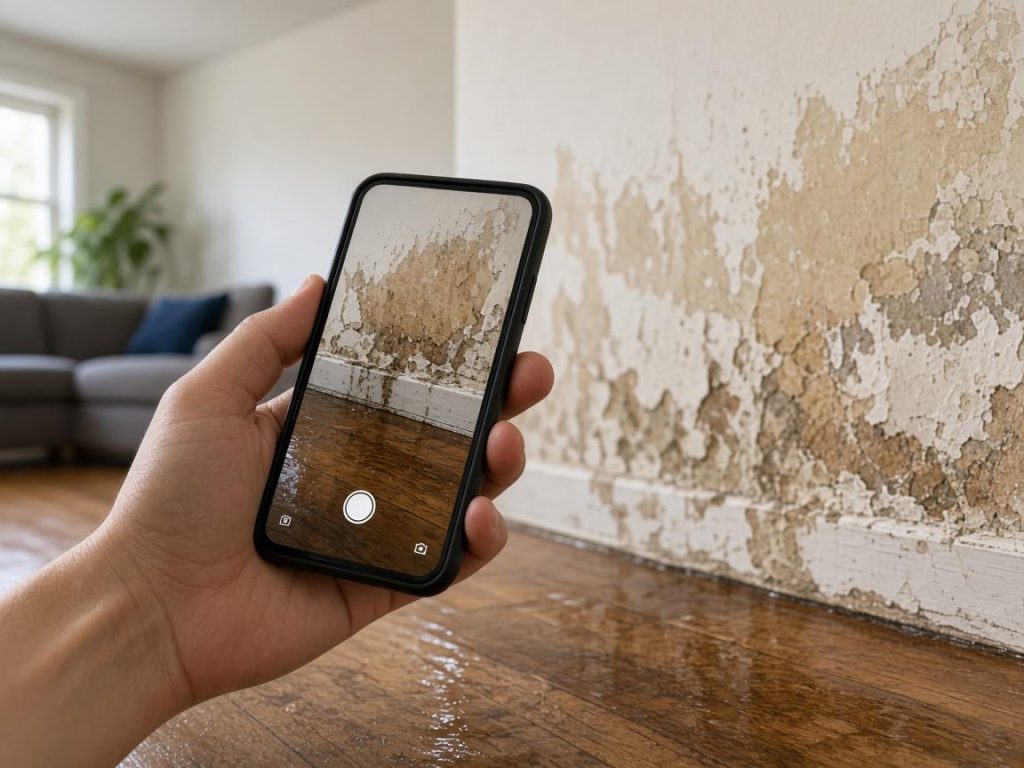
Photo: illustrated image courtesy of Dick Law Firm
Who a lapse would affect
According to the Congressional Research Service, flood policies already in force continue through the end of their one-year term. A lapse creates problems for families without a policy, those whose coverage comes up for renewal during the lapse, and buyers purchasing homes in high-risk flood zones, where lenders enforce the federal flood insurance requirement.
The National Association of Realtors says private flood policies, issued outside the federal program, are unaffected by a lapse. It also says an existing federal flood policy can be assigned from a seller to a buyer, allowing coverage to continue through a sale. Families buying or selling a home this winter should discuss those options with their agent and lender early.
Go through the papers together
Find your insurance papers and look for a separate flood policy.
If you have one, put the renewal date on the family calendar. Ask your agent what would happen if that date fell during a lapse.

If you have no flood policy, ask for a quote. FEMA’s FloodSmart.gov website offers an online quote tool, and the agent who handles your home or auto insurance can often help. FEMA says new NFIP policies typically take effect after a 30-day waiting period, with exceptions in certain situations, such as a lender requirement. Ask well before a storm is in the forecast so that waiting period does not leave you scrambling.
Make sure a second person in the family knows where to find the policy and how to reach the agent.
Use your phone to record a walk through each room of the house. That record can help if you need to file a claim.
For questions about the federal program, FEMA lists the National Flood Insurance Program call center at (877) 336-2627.

Photo: illustrated image courtesy of Dick Law Firm
Weigh the cost and the risk
Families can reasonably reach different conclusions about buying flood insurance. It adds another bill when budgets are already stretched. Some homes sit on higher ground with little history of flooding. A household may compare a private policy with the federal one or choose to set money aside instead.
Those are legitimate choices. The purpose of this check is to give families the information to decide for themselves. That decision should begin with knowing what the homeowners policy covers.
People disagree about the federal program’s pricing and how long Congress should extend it. While that debate continues, check what coverage you have and when it renews.
Help someone else check
An elderly parent, a widowed neighbor or a young couple in your Sunday class who just bought their first house may appreciate a question about flood coverage. Often, people simply have not been told that their homeowners policy leaves out flood damage.
A few minutes with the insurance papers now can help a family avoid discovering a gap in coverage after the water comes in.
Eric B. Dick is a Houston attorney whose firm, Dick Law Firm, PLLC, represents homeowners in insurance disputes. He serves as a trustee of the Harris County Department of Education. He holds an MS in Applied Data Science from the University of Chicago and an MSQM from Duke. This column is offered as general information, not as legal advice for any family.
Feature photo: illustrated image courtesy of Dick Law Firm