

BREAKING: GREATER HOUSTON, TX—The exploitative use of Public Facility Corporations (PFCs) in Texas by private developers seeking lucrative tax breaks is a more devastating problem than previously thought, as new data comes to light about developers taking millions of dollars from local tax rolls across the Houston metropolitan area.
The widespread scam is all at the expense of local taxpayers and Houston’s most impoverished, at-need communities.
Designed to provide public facilities that address basic human needs, PFCs now find themselves leveraged by private developers to exempt their properties from taxation in exchange for converting some units to “low-income housing.”
Unfortunately, the vast majority of these properties charge similar—or, in some cases, higher—rates for apartment units compared to the pricing before partnering with PFCs. The profit goes straight into the pockets of the developers.

This practice has become a source of frustration for advocates of affordable housing and an alarming trend that disproportionately impacts the very communities it aims to serve. Further, the scam has stained local politics as key lawmakers receive payouts from developers.

The Mechanism of Abuse
PFCs, established under Chapter 303 of the Texas Local Government Code, were initially intended to support local governments in financing public projects. However, in recent years, they have been misused as vehicles for private developers to sidestep tax obligations.
Under this arrangement, developers sell their properties to a PFC, which then leases them back to the developer. This allows the developer to maintain operational control while enjoying tax-exempt status for up to 99 years. In exchange, they are required to designate only 50% of their units as “low-income housing” for individuals earning 60% to 80% of the area median income (AMI).
However, these apartment complexes do not offer legitimate low-income housing. The best case scenario for a renter at the low-to-moderate income level is slightly decreased rent, and often, rental prices can actually increase after becoming PFC-owned.
With the tens of millions of tax dollars developers using PFCs have saved across Greater Houston, only 1% of the tax-exempt apartment units actually help low-income residents. PFCs are providing huge tax breaks for developers for a class of housing for which there is no shortage.
“A Houston Housing Authority audit reveals a disconnect between the goal and outcomes of its controversial tax deals: While the agency uses the housing shortage for its lowest-income residents to justify the program, the tax incentive has resulted in minimal gains for Houston’s most needy families,” The Houston Chronicle recently reported.
“Only 1% of the tens of thousands of tax-exempt units created during a seven-year period actually target the needs of Houston’s extremely low-income residents, according to a Houston Chronicle analysis. The vast majority of affordable units created by the program cater to households with higher incomes already served by the market.”
Further, according to data from the 2024 Fort Bend Central Appraisal District (FBCAD), the financial implications are staggering. Each PFC exemption can remove an estimated $1 million from local tax rolls, placing additional burdens on public services already strained by budget shortfalls.
This impacts essential services funded by tax dollars, forcing local governments to increase rates to compensate for the losses.

A Closer Look at Key Players in the Scheme
In the Greater Houston area, the Rosenberg Housing Authority (RHA) has emerged as a significant player in this scheme, creating the Rosenberg Housing Authority Public Facility Corporation (RHAPFC) in May 2021. So far, it has fully exempted at least two properties, the Retreat at Riverstone and The Trestles, from property taxes, with memorandums of understanding in place for several more.
- Retreat at Riverstone: Worth $57,742,010 according to 2024 FBCAD estimate and would pay $1,248,094 in annual property taxes, including $655,141 to Fort Bend ISD
- The Trestles: Worth $22,693,000 according to information gathered from a PIR and would pay $403,690 in annual property taxes, including $256,454 to Fort Bend ISD.
These two properties alone combine for an estimated value of over $80 million and have removed roughly $1.6 million in property taxes for fiscal year 2024. Fort Bend ISD, which was not consulted at all about these deals, is left to account for a shortfall of over $900,000.
The Rosenberg Housing Authority also directly benefits from these deals. Benefit analysis documents reveal the RHA received $2 million from its deal with The Trestles, a property owned by property investment firm Madera Residential.
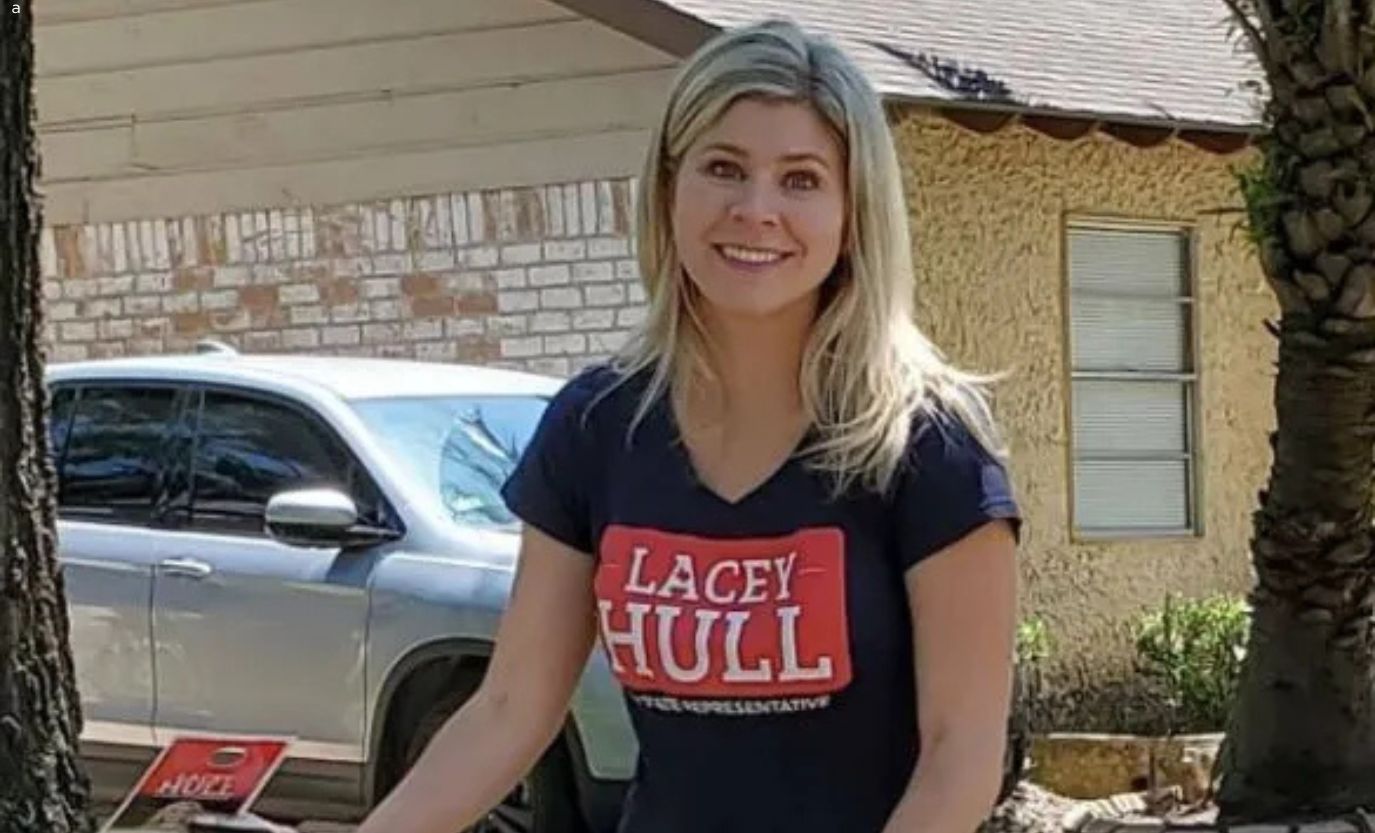
Madera Residential is significant because State Rep. Lacey Hull (R-HD 138) listed herself as an analyst consultant for the firm in her financial disclosures for 2024.
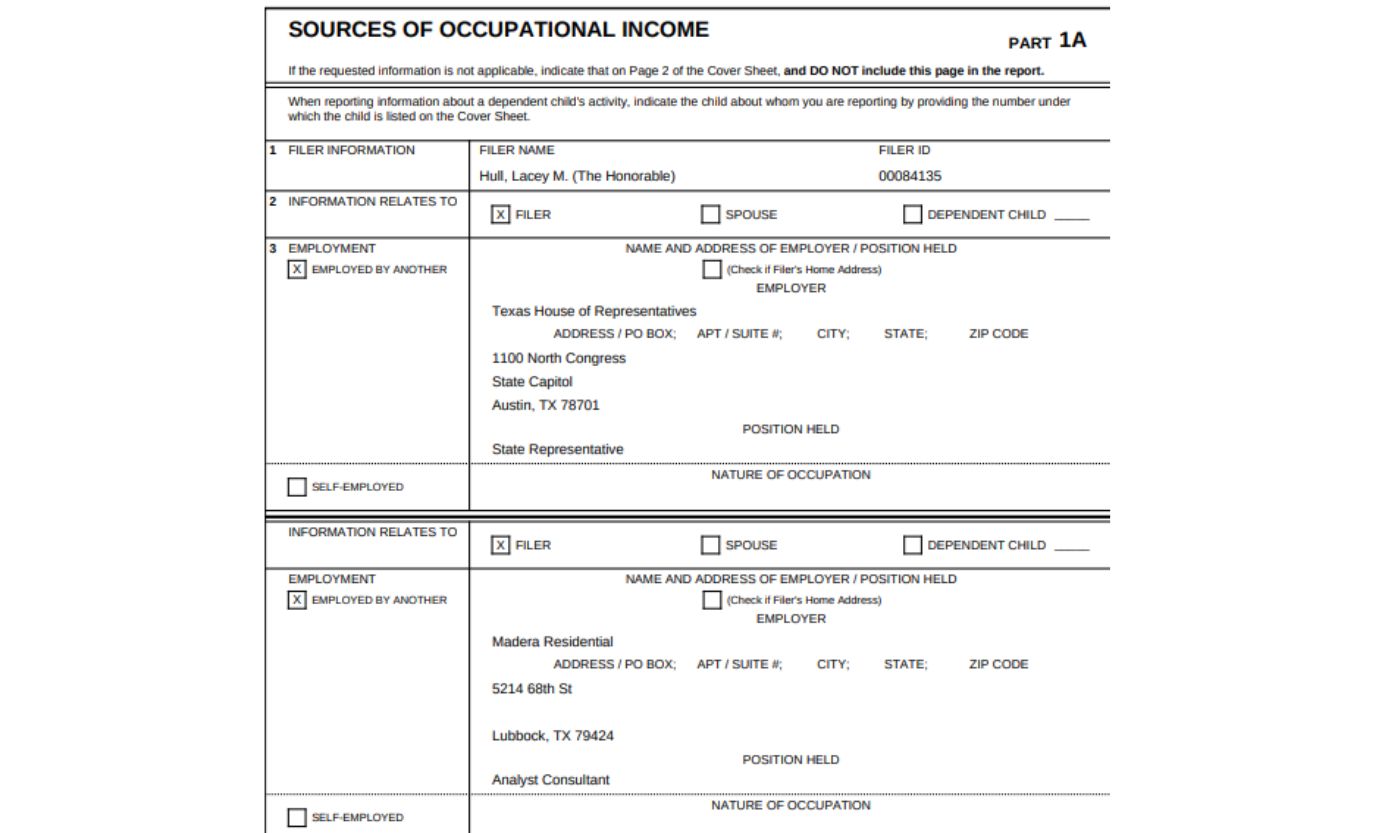
This connection raises questions about conflicts of interest as the PFC continues pursuing partnerships that benefit developers far more than the low-income communities they are meant to assist.
Another key abuser of PFCs is the aforementioned Houston Housing Authority (HHA) and their affiliate with much of the same board, Lakeside Place PFC. HHA has recently been the subject of media scrutiny and run-ins with Mayor John Whitmire after an audit revealed they have taken billions of dollars off of the tax rolls in and around the greater Houston area.
Because the State of Texas grants cities the power to regulate outside of their corporate boundaries in a designated extra-territorial jurisdiction, HHA has operated beyond its scope to also rob millions of tax dollars from the people of Fort Bend County.

The following are HHA’s properties in Fort Bend:
- Granary Flats: Worth $47,917,086 according to 2024 FBCAD estimate and would pay $1,420,023 in annual property taxes, including $543,667 to Fort Bend ISD
- Allora Cinco Ranch: Worth $34,341,750 according to 2024 FBCAD estimate and would pay $758,484 in annual property taxes, including $384,422 to Katy ISD.
Misleading “Affordability”
While the law mandates that 50% of units be allocated for low-income renters, the reality is often starkly different. An analysis reveals that some properties have seen rental prices increase post-exemption, and in some instances, the “affordable” rents remain unaffordable for the very demographic they claim to support.
For instance, while the Novogradac rent and income calculator sets limits, developers have occasionally charged more than what they did before entering into a PFC deal, effectively negating any supposed benefits for low-income tenants.
Moreover, as previously noted, a Houston Housing Authority audit disclosed that only 1% of the units created through similar tax exemptions truly serve the lowest-income residents, defined as those earning less than 30% of the area median income. The findings indicate a disconnect between the housing authority’s claims of addressing the housing shortage for the most vulnerable and the outcomes of its tax incentive programs.

Legislative Push for Reform
During the 88th legislative session, State Representative Gary Gates (R-HD 28) made significant modifications to House Bill 2071 in response to concerning trends. The bill’s original version maintained the status quo regarding PFC dealings until Rep. Gates amended it to enhance transparency and accountability.
“Without shining a bright light on this issue, it is impossible to ascertain whether these deals provide any public benefit whatsoever,” Gates remarked to a reporter at Katy Christian Magazine.
While the amendments were a step in the right direction, the effects of these reforms have been limited as developers have shifted tactics, seeking alternative loopholes within Texas statutes to maintain their profit margins without meaningful oversight.
For instance, developers have looked to statutes such as Chapter 394 regarding housing finance corporations or turned to operating directly through the housing authority under Chapter 392.
“As lawmakers, we often encounter situations where it feels like we’re playing whack-a-mole, but we’re working on finding more effective solutions to apply safeguards for all hardworking Texans,” Gates said.
As the state representative prepares for the upcoming 89th legislative session, the urgency for comprehensive reform is palpable.
Gates stated, “We must address the issue of rapidly increasing property taxes to safeguard our communities from potential financial losses as numerous deals are being pushed through daily. This is fundamentally unjust and must be stopped!”
The PFC system, as it stands, perpetuates a cycle of corruption that not only enriches developers but also neglects the needs of low-income families struggling to find affordable housing in Houston’s competitive market.
A Call for Accountability
Whitmire has publicly criticized HHA’s handling of tax exemptions, stating that the previous board operated with “apparent disregard for those with the most critical need for affordable housing options.”
Following his administration’s scrutiny, significant changes were made to the housing authority’s board to ensure greater accountability and alignment with the city’s mission to provide affordable housing solutions.
Ericka Bowman, founder of Project 8, a nonprofit advocating for subsidized housing tenants, has called for regular, transparent financial reports on the proceeds generated from these tax break deals. “This mismanagement of funds is an affront to those who desperately need these resources,” she stated.
As the city grapples with a deepening housing crisis, the misuse of PFCs in conjunction with private developers must be urgently addressed. The collaboration between entities like the Rosenberg Housing Authority and private developers exemplifies a troubling trend that prioritizes profit over public good, leaving vulnerable populations further marginalized.
Houston hopes to rectify these systemic injustices only through vigilant oversight, legislative reform, and a commitment to real affordable housing solutions.