
By Dr. Steven Hotze
Foods for eye health include leafy greens, fish, nuts and other nutrient-rich choices that support a balanced diet. Supplements have a more specific role: certain formulations may help people with particular stages of age-related macular degeneration, but they do not prevent every eye disease or replace an eye examination. This column explores nutrition for aging eyes and questions to discuss with an eye-care professional.
Reader’s question (condensed): My eyesight is changing as I get older, and my grandmother has macular degeneration. Which foods or vitamins might help?
Foods That Support Eye Health
I recommend starting with healthy, whole foods. The National Eye Institute recommends plenty of dark, leafy greens and fish rich in omega-3 fats. You’ll find more practical food suggestions in my column on nutrition and gut health.

- Dark, leafy greens: Spinach, kale and collard greens provide lutein and zeaxanthin.
- Colorful vegetables and fruit: Carrots and sweet potatoes supply beta-carotene, which the body can convert to vitamin A. Citrus fruit, strawberries, peppers and broccoli provide vitamin C.
- Fish: Salmon, tuna and halibut provide omega-3 fats.
- Nuts and seeds: Almonds and sunflower seeds are sources of vitamin E. Include them in portions that fit your overall eating plan and any food restrictions.
I encourage you to make these foods part of your regular meals, just as I recommend in my column on heart health.
When Eye Supplements May Help
Before choosing an eye supplement, talk with your eye doctor about what you need. AREDS and AREDS2 are the National Eye Institute’s Age-Related Eye Disease Studies. Their findings apply to specific formulas and patients.
According to NEI’s AREDS2 guidance, an AREDS2 supplement may help people with intermediate age-related macular degeneration, or AMD, in one or both eyes. For someone with late AMD in one eye, it may help slow progression in the other eye. Your eye doctor can determine the stage and whether supplementation is appropriate.
The NEI clinical-trial summary lists the following AREDS2 formulation:
| Nutrient | Daily amount |
| Vitamin C | 500 mg |
| Vitamin E | 400 international units (IU) |
| Zinc | 80 mg |
| Copper | 2 mg |
| Lutein | 10 mg |
| Zeaxanthin | 2 mg |
AREDS2 replaces the beta-carotene in the original AREDS formula with lutein and zeaxanthin. If you smoke or used to smoke, avoid the older beta-carotene-containing formula because of an increased risk of lung cancer. That concern involves beta-carotene supplements, not carrots or other foods.
These formulas do not prevent AMD from starting, and AREDS2 has not been shown to stop early AMD from becoming intermediate AMD. The trials also did not show a cataract benefit. These findings do not mean that an ordinary vitamin pill will prevent glaucoma. Adding omega-3 supplements in AREDS2 did not provide an additional AMD benefit.
Be sure to read the label carefully. A daily multivitamin or proprietary eye-health blend may not match the studied formula. The ingredients and amounts matter, so compare them with your eye doctor. Bring a list of your medicines and supplements, since high-dose supplements can interact with medicines.
Why Eye Examinations Still Matter
Since your grandmother has macular degeneration, be sure to tell your eye doctor about your family history. The changes you have noticed in your own eyesight are also a reason to have your eyes checked.
A comprehensive dilated eye examination can help identify diseases before obvious symptoms develop. Ask whether you have AMD or another condition, what stage it is, and how often you should return. Your age, family history and conditions such as diabetes help determine how often you need an examination.
Seek urgent eye care for a sudden increase in floaters, flashes of light or a dark curtain or shadow across your vision. These can signal retinal detachment and require immediate evaluation.
If you’ve been putting off a medical appointment, I encourage you to make the call. Bring your supplement labels and ask what’s right for you. Make keeping up with eye exams one of your health goals.
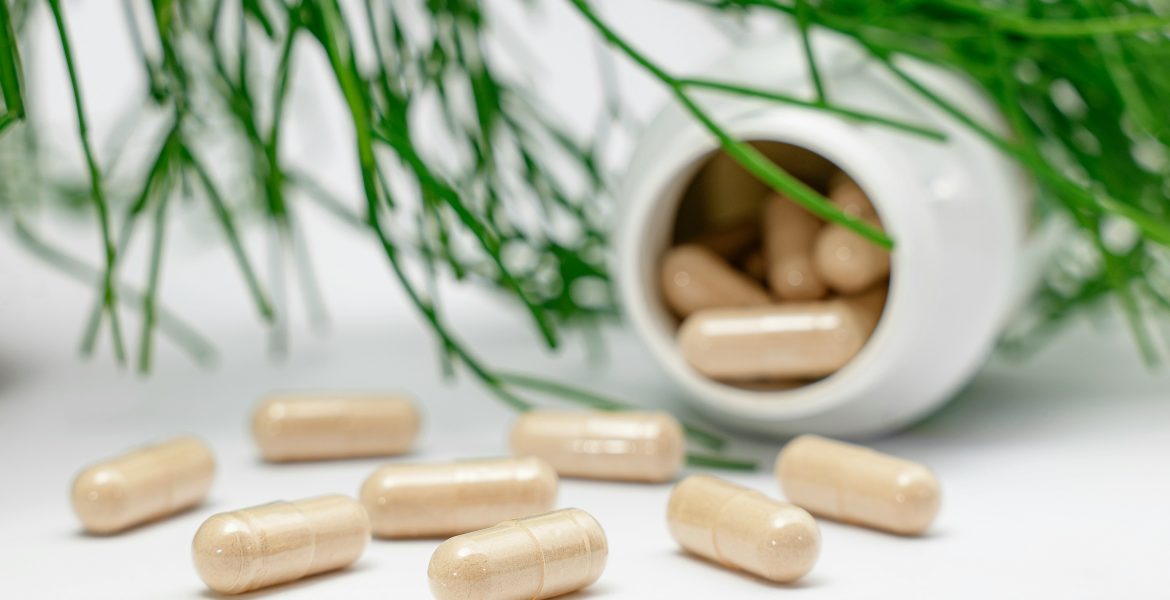
Feature photo by Supliful – Supplements On Demand on Unsplash