Submission by Lynne M. Taylor, American Policy Center
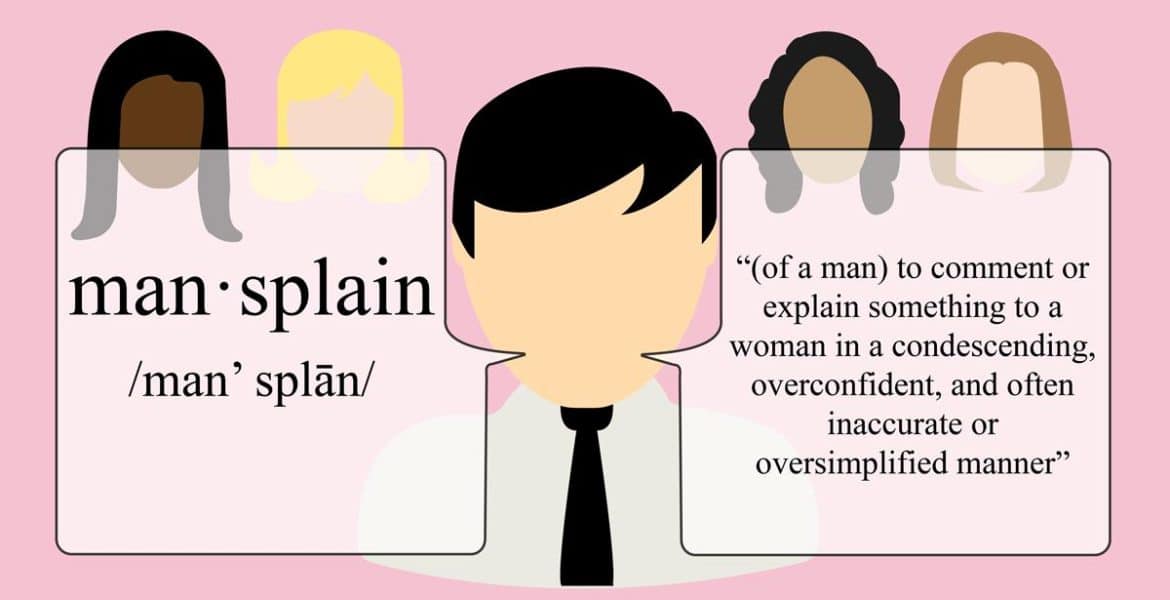
What’s “mansplaining”?
Merriam-Webster defines it as a man saying something to a woman in a condescending way.¹ For the context of this article, “mansplaining” means treating someone as though they have no knowledge of a topic—or couldn’t grasp it anyway.
From what I experienced during an open public meeting where city officials and consultants met, this was exactly the attitude, tone, and energy that came across. From conversations with others across the nation, it seems this has become the way many elected officials talk to us—and about us—when they think the public isn’t listening.
Where I live, in Mooresville, North Carolina:

Has your city or town held recent meetings about “future growth”? These plans always seem to include glossy images of how “super” rack/stack/pack housing and “hub-style” communities of the future might look. Within these plans, you’ll find slick consultants hired by your local government to come and “mansplain” to leaders—and taxpayers—what the future supposedly holds. It’s enough to make for a comedic TV episode, but the reality is this:
Your town or county is being targeted to become a “smart city” or “connected town.” Neighborhoods will become hubs. Nature will be reduced to a sideshow—or a three-ring circus where the local government can charge you to “experience” it instead of enjoying it freely in your own backyard. Rural areas are being knocked down to create so-called “cohesive” zones where work, living, and play are united in one space.
Over the past few years, I’ve written about the moves that put my town in this position. In 2024, I covered how to spot the SDGs (Sustainable Development Goals) in your community.² That same year, I wrote about how the APA (American Planning Association) came to town to sell us on 15-minute neighborhoods.³ Then, in early 2025, I wrote about the “green grab” for agricultural and rural land in the name of planning the future.⁴
Back in 2021,⁵ I discussed on The Sons of Liberty Media morning show how my town’s “future plan” was pushing cookie-cutter living. Below is a photo I took of color-coded yarns residents used to show how far they’d travel within a 15-minute time frame. The moment I saw this exercise,⁶ I knew exactly where the agenda was heading.

“Your Town, Tomorrow” Plan
Most towns now have websites, and Mooresville is no exception. But apparently, city leaders think residents need “mansplainin’” when it comes to our own future.
Why do I say this? The Tomorrow Plan has its own website,⁷ complete with tabs for everything to be “explained.” While this may seem convenient, it sacrifices real interaction between residents and leaders.
Another concern: once you register on the site, you have lifetime access to the Plan—useful for the tech-savvy, but not for the majority of Mooresville’s long-term residents. One consultant said “reverse 911” calls had been used to alert people to public meetings. But not everyone answers calls from unrecognized numbers.
The Plan is still evolving, but the process itself reveals a lot. Over three days, open-house style meetings were held across town. When I attended, the consulting company proudly displayed posters summarizing their “hard work.” The representative—who called himself the plan’s “author”—cherry-picked what he felt were the “most important” elements for residents to see. We weren’t allowed to view the full hard copy. Instead, we were given red and green dots to mark our approval or disapproval on poster boards.
Sound familiar? It’s the Delphi Technique in action—where the outcome is pre-determined, but you’re given the illusion of participation.
In the push to globalize America, Delphi-style meetings have become standard practice. Every meeting I’ve attended about this plan has used it.
When I requested a printed copy of the full plan, I was cautioned that it would “change soon,” so I shouldn’t get too excited. Printing it myself wasn’t realistic—it’s over 200 pages long. (For the record, kindness still works, even on Delphi disciples.)
From the Existing Pages
The opening page is telling. It reads, “Looking Four-wards Into the Future.” (“Four” references Mooresville’s four wards.) As you know, wards correspond to voting districts—who represent your part of town.
Then, in bold print: 2040.
That number is no coincidence. It extends just long enough to complete the Agenda 2030 alignment, and just beyond that to lock in the remaining goals. By 2040, proponents envision everyone living in “zero carbon,” “eco-friendly” spaces.⁸
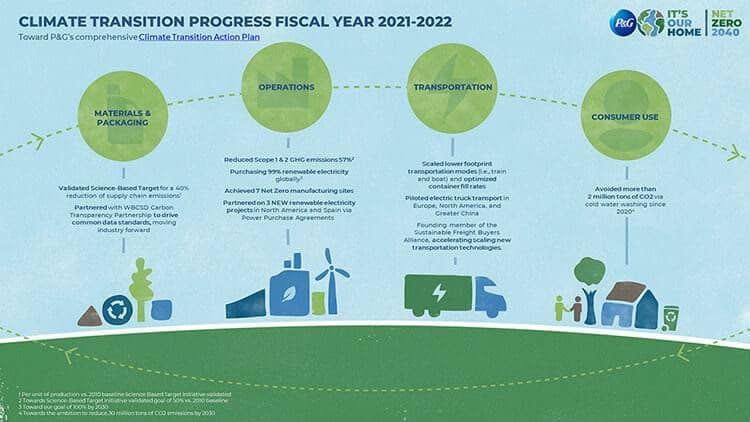
Another example: Procter & Gamble’s net-zero initiative fits perfectly into this same narrative.⁹
According to NC2040.org—created by the same founder of States2040.org—the goals include climate change action and “affordable housing,” both prominently featured in Mooresville’s *Tomorrow Plan.*¹⁰ ¹¹ Coincidence? Hardly.
“The Juicy Stuff”
Consultant groups involved include:
- **City Explained, Inc.**¹²
Do we really need someone to “explain” our own cities to us? Their website prominently features “sustainable development.” The “Projects” page¹³ lists dozens of initiatives advancing that agenda—especially across the South. The firm also maintains a relationship with the APA (American Planning Association).
What connects these two globally focused entities? Software.
In 2020, the APA published an article about City Explained’s CommunityViz software being used by college students to “solve density issues.”¹⁴
On its own site, City Explained notes:
“We are excited to announce the sale of CommunityViz and CViz Pro Software to the Texas A&M AgriLife Extension.”
You can track that transition on their website.¹⁵
(Note: The APA’s current president—who is from North Carolina—gave a YouTube talk just a few months ago explaining how the APA influences legislators.)¹⁶ - Nealon Planning, LLC¹⁷
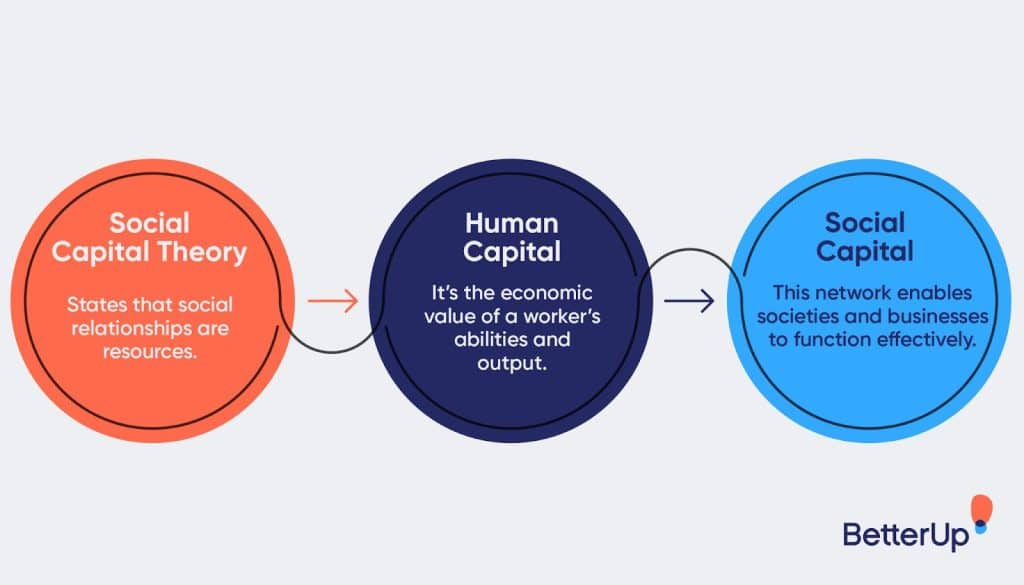
This North Carolina–based firm also promotes globalist themes. Their slogan reads, “An engaged community is a resilient community.” They emphasize “social capital”—a concept described by BetterUp.com as an “underused community asset.”¹⁸
- Arnett Muldrow & Associates, LLC¹⁹
Hired by Mooresville for branding and economic development, this firm specializes in turning towns into marketable “places.” Their focus on “Place” and “Prosperity” fits neatly with UN-style “public-private partnerships.” - Green Heron Planning, LLC²⁰
This group’s website uses classic fear appeals, declaring:
“Emerging issues are disrupting our communities. Now is the time to prepare.”
They even offer a Community Readiness Plan guide, published in 2024.²¹ (Clicking “More Information” redirects you to a UNC webpage.)
Each of these companies promotes the same aesthetic—homogeneous buildings, neatly arranged “mixed-use” zones, and compliant populations—all wrapped in language about “resilience” and “sustainability.”
What’s in your town or county’s plan? What zoning changes is your state pursuing? Here in North Carolina, several legislative bills now threaten property rights and zoning freedoms.
A 2025 builder’s report²² described one such zoning law as having “a bigger bite than folks assumed.” To review the full list of current legislation, visit the North Carolina General Assembly’s website.²³
There’s much more in this plan than I can cover here—but you can already see the patterns to watch for in your own area. Towns are out of control, not because of residents, but because of leadership. Transparency is scarce. Our tax dollars and trust are being manipulated daily.
If you’re unsure where to start, look nationally—at the **National Center for Smart Growth.**²⁴ Their mission statement reads:
“NCSG works to create a more sustainable, vibrant, and enhanced quality of life for communities across the globe.”
So much for the American dream, huh?
Personally, I’m tired of being “mansplained” to—especially by my own government.
Sources
- Merriam-Webster: “Mansplain”
- American Policy Center: “The SDGs in Your Town” (2024)
- American Policy Center: “SDGs Local Chokeholds” (2024)
- American Policy Center: “Using Education to Attack Farmlands” (2025)
- The Sons of Liberty Media: “Hidden in Not-So-Plain Sight” (2021)
- Common Core Diva: “Localized United Nations” (2024)
- Mooresville Tomorrow Plan
- Architecture 2030: “Accelerating to Zero by 2040”
- Procter & Gamble: Net Zero 2040 Progress
- NC2040: “Ten Issues That Will Affect the Next Generation”
- LinkedIn: Tom Fehsenfeld
- City Explained, Inc.
- City Explained Projects
- APA: “Expanding Boundaries” (2020)
- CommunityViz
- APA President YouTube Talk
- Nealon Planning, LLC
- BetterUp: “What Is Social Capital?”
- Arnett Muldrow & Associates
- Green Heron Planning
- Green Heron Planning: Publications
- The Builder’s Daily: North Carolina Zoning Reform (2025)
- NC General Assembly: Zoning Legislation
- National Center for Smart Growth