Original submission by Kathleen Marquardt
“The City of London has controlled economics and global trade to the detriment of every country, especially America.”
Based on the ideas discussed here, I recommend reading Banking 1770 and Onward.
For more than 300 years, global economic systems have been shaped by powerful financial institutions, many of them rooted in London. The influence of these institutions has extended across continents, affecting trade, policy, and national economies—including that of the United States.

Historically, key developments helped consolidate this control. In the 1770s, London’s private banks established the Bankers’ Clearing House, standardizing clearing and settlement processes. Then, in 1844, the Bank Charter Act elevated the Bank of England as the sole issuer of banknotes, centralizing control over what counted as money.
By the late 19th century, organizations like the Fabian Society were working to reshape society gradually through institutional influence rather than revolution. Their strategy focused on placing individuals in key roles within government, education, and policy-making structures—believing that once leadership was aligned, policy would follow.
In 1895, the Fabian Society helped establish the London School of Economics to train civil servants, economists, and planners. These individuals would go on to staff key positions in British government for decades. Later, in 1920, the Royal Institute of International Affairs (Chatham House) was formed as a hub for shaping foreign policy discussions before they reached elected officials.
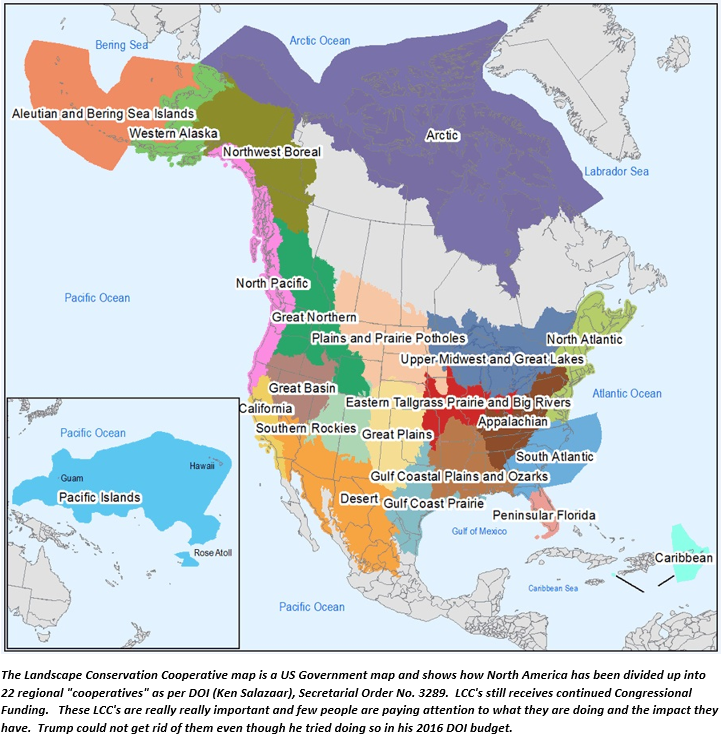
These developments, taken together, suggest a long-term pattern: economic planning, political influence, and institutional control working in tandem.

Some argue that similar patterns have extended into the United States, particularly through financial systems and policy structures that distance citizens from direct control over assets and property. Concerns about economic centralization, global governance, and the role of international institutions continue to shape political debate today.
Statements often attributed to global economic leaders—such as the idea that individuals will “own nothing and be happy”—have fueled fears that personal ownership and economic independence are being eroded.
At the same time, political leaders who emphasize national sovereignty, property rights, and constitutional principles are seen by supporters as pushing back against these trends. Calls to return to common law traditions and limit administrative overreach reflect a broader desire to restore individual rights and accountability.
Critics also point to the growing influence of environmental policy frameworks, global development goals, and international agreements as part of a larger shift toward centralized control. Funding structures, grants, and institutional incentives are often viewed as tools used to shape compliance and behavior.
Events and movements within the United States—such as organized protests and political campaigns—are sometimes interpreted through this lens, with questions raised about funding sources, coordination, and intent.
Underlying all of this is a broader concern: that systems originally designed to support economic growth and stability may now be contributing to increased control, reduced transparency, and a weakening of individual freedoms.
Supporters of this perspective argue that the United States is at a turning point. They believe efforts to restore economic independence, strengthen property rights, and reinforce constitutional governance could reverse long-standing trends.
Whether one agrees with this interpretation or not, it reflects a deeply held concern about the balance between institutional power and individual liberty.
The broader lesson is not to disengage, but to remain aware. Economic systems, like political ones, are shaped over time—and understanding how they evolve is essential for anyone who wants to preserve freedom, accountability, and self-governance.