A Biden-era CIA memo that associated traditional roles such as motherhood and homemaking with extremist ideology is drawing sharp criticism from commentators who say the analysis reflects political bias rather than sound intelligence work.
The report, titled “Women Advancing White Racially and Ethnically Motivated Violent Extremist Radicalization and Recruitment,” was produced during the Biden administration and later published in redacted form before being withdrawn in February, according to reporting cited by critics.
CIA Director John Ratcliffe said the memo fell short of the agency’s standards for analytic rigor and impartiality, stating that its conclusions did not reflect the level of expertise expected from intelligence analysts.
The document focused on what it described as “white racially and ethnically motivated violent extremist” movements, or “REMVE,” and introduced a secondary category of individuals labeled “REMVE-sympathetic.” According to the memo, that group includes people who do not advocate violence but may amplify related narratives.

Among the points highlighted in the report was concern over messaging tied to traditional gender roles, including references to motherhood and homemaking as central responsibilities for women. Critics argue that linking those ideas to extremism stretches the definition of violent threats and risks politicizing intelligence analysis.
The memo cited examples of online content, including cooking blogs and lifestyle videos, where it said messaging about cultural identity and family life was paired with ideological themes. It also referenced social media content from international figures, including a Canadian commentator, as part of its analysis.
Critics contend the report relied on broad categorizations that blur the line between nonviolent viewpoints and violent extremism. They argue that including individuals who have not endorsed violence raises concerns about how intelligence agencies define and monitor ideological threats.
The timing of the memo’s release has also drawn scrutiny. It was published in October 2021, the same week the National School Boards Association sent a letter to the Biden administration raising concerns about protests at school board meetings. That letter was later retracted.
While the memo referenced extremist violence, it included limited specific examples, pointing instead to broader patterns of online messaging and cultural commentary.
Supporters of the analysis have argued that extremist movements increasingly rely on nonviolent messaging and cultural influence as part of recruitment strategies. Opponents counter that the memo reflects a broader trend of applying national security frameworks to domestic cultural and political debates.

The report also addressed demographic concerns cited by extremist groups, including references to the so-called “great replacement” theory. Critics argue that acknowledging such rhetoric does not justify extending suspicion to individuals who support family growth or traditional values for unrelated reasons.
The controversy has renewed debate over the role of intelligence agencies in evaluating domestic ideological movements and the limits of their authority.
“There is absolutely no room for bias in our work,” Ratcliffe said, adding that the agency has a responsibility to correct the record when analytic standards are not met.
Critics say the memo reflects a broader pattern in recent years of intelligence and federal agencies, particularly the CIA, drawing connections between traditional beliefs and potential extremism. They argue that efforts to link concepts such as motherhood, religious conviction or cultural identity to security threats risk undermining public trust in institutions meant to operate with political neutrality.
They also contend that the memo is part of a wider trend in which terms like “extremism” have been expanded beyond acts of violence to include ideological or cultural positions, particularly those associated with conservative or faith-based communities. For those critics, the controversy surrounding the report underscores growing concern that national security frameworks are being used to categorize mainstream beliefs as suspect rather than focusing on clearly defined threats.
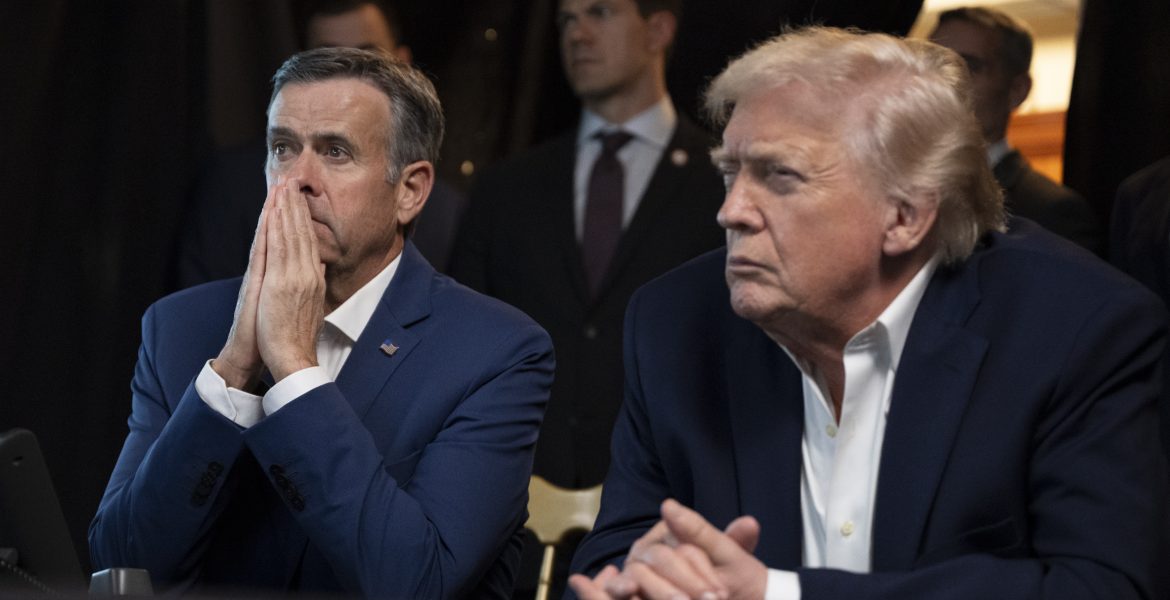
Feature photo: Official White House Photo by Molly Riley, Public domain, via Wikimedia Commons