Submission by Patti Johnson, American Policy Center
Our society today is geared toward the quick fix. With the barrage of drug commercials, there seems to be a pill for every symptom. If you can’t sit still, pop a pill. Big Pharma’s partnership with government agencies—including public education—is largely responsible for the drastic increase in children being put on dangerous drugs.
It’s been 25 years since my last opinion piece covering ADHD, ADD, and prescription medications like Ritalin and Adderall. I thought I would never write another on this issue, but things have evolved since 1999. When I learned Illinois Governor Pritzker signed into law a new bill making yearly psychological exams mandatory for schoolchildren starting in third grade, I had to write again.
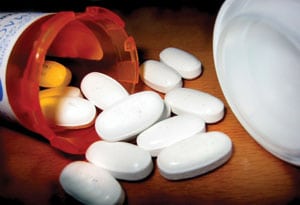
These yearly exams will increase the number of children labeled with learning and behavior disorders—and a magic pill will be prescribed to solve it. That pill is called Methylphenidate, with brand names like Ritalin and Adderall. According to the DEA, these drugs are classified as Schedule II controlled substances. As Drugs.com explains, Schedule II drugs are defined as having a high potential for abuse, with use potentially leading to severe psychological or physical dependence. They are considered dangerous. Examples include Vicodin, cocaine, methamphetamine, methadone, oxycodone (OxyContin), fentanyl, and Adderall and Ritalin.

Yes, Ritalin and Adderall rank alongside cocaine, opium, oxycodone, and fentanyl. Ironically, public schools call themselves “drug-free” zones. Because of these drugs’ addictive nature, Big Pharma is counting on lifetime customers. Cha-ching!
Methylphenidate drugs like Ritalin and Adderall are not only highly addictive but can have serious cardiovascular side effects, especially with long-term use. Chronic stimulant use may stress the heart, potentially leading to cardiomyopathy, arrhythmias, increased heart rate, and high blood pressure.
In 1999, a medical examiner reported autopsying a 14-year-old who had been on Ritalin since age six. The teenager died of a heart attack, and the examiner said his heart showed the same damage as that of a cocaine addict.
Drugs.com warns that anyone taking Methylphenidate should call a doctor immediately if they experience:
- chest pain, shortness of breath, or fainting
- hallucinations, paranoia, aggression, or new behavior problems
- numbness, unexplained wounds, or changes in skin color in fingers or toes
Other common side effects include sweating, increased blood pressure, anxiety, insomnia, fast heart rate, weight loss, stomach issues, and dizziness.
Back in the 1990s, when I was on the Colorado State Board of Education, the U.S. ranked first in the world for labeling schoolchildren with ADD and ADHD and had the highest number of children on Ritalin. Some schools even pressured parents to medicate their children—or risk them being excluded from class. Drug companies handed schools materials on how to identify, label, and medicate children. I received so many complaints from parents that I introduced a resolution to the Colorado State Board of Education, which sparked criticism from both Big Pharma and its media allies.
My quest for truth on this issue began in 1994 during the Idaho Springs, Colorado Independence Day Parade. I walked with a neighbor’s six-year-old son who talked my ear off the entire parade. I thought he was brilliant and told his mom afterward, “You have a little Einstein on your hands.” She responded that his teacher had said he was failing, disruptive, and needed Ritalin. I told her I thought he was just bored, needed more challenging coursework, and should get more exercise. Unfortunately, the parents followed the school’s advice, and he was put on Ritalin.
Years later, I ran into him as a young adult. He told me he had stopped taking the drug in middle school because he hated how it made him feel—dull, foggy, not himself. Today, he is a successful adult with a good job.
Children are diagnosed with ADD/ADHD using a behavioral checklist from the DSM. There is no blood test or brain scan for these disorders. The list includes behaviors like:
- failing to pay close attention or making careless mistakes
- difficulty staying focused
- not listening when spoken to directly
- failing to follow through on instructions or finish tasks
- disorganization
- reluctance to do tasks requiring sustained effort
- losing items necessary for activities
- being easily distracted or forgetful
- fidgeting, squirming, or feeling restless
- excessive talking or interrupting
Doesn’t that describe many children? These are common behaviors that require guidance, structure, and teaching—not drugs.
Our neighborhood “little Einstein” probably interrupted his teacher with answers before she finished questions. He was active, talkative, and eager to share. He didn’t fit the mold for so-called “normal” behavior, so he was labeled. In my day, we would have said he had “ants in his pants.” He didn’t have a mental disease requiring dangerous and addictive medication.