

MOUNT ARARAT REGION, Turkey — Monday, a team of international researchers say they may be drawing closer to uncovering physical evidence of one of Scripture’s most iconic accounts: the remains of Noah’s Ark.
Working under the banner of Noah’s Ark Scans, the researchers have released promising findings from the Durupinar site in eastern Turkey — a boat-shaped formation nestled near the mountains where, according to Genesis 8:4, “the ark came to rest on the mountains of Ararat.”
The site, first identified in the 1950s, has long intrigued both scientists and Bible believers. For decades, the formation has been proposed by some as the possible resting place of the Ark — the massive vessel that, as described in Genesis 6–9, preserved Noah, his family, and representatives of every kind of animal through the global judgment of the Flood.

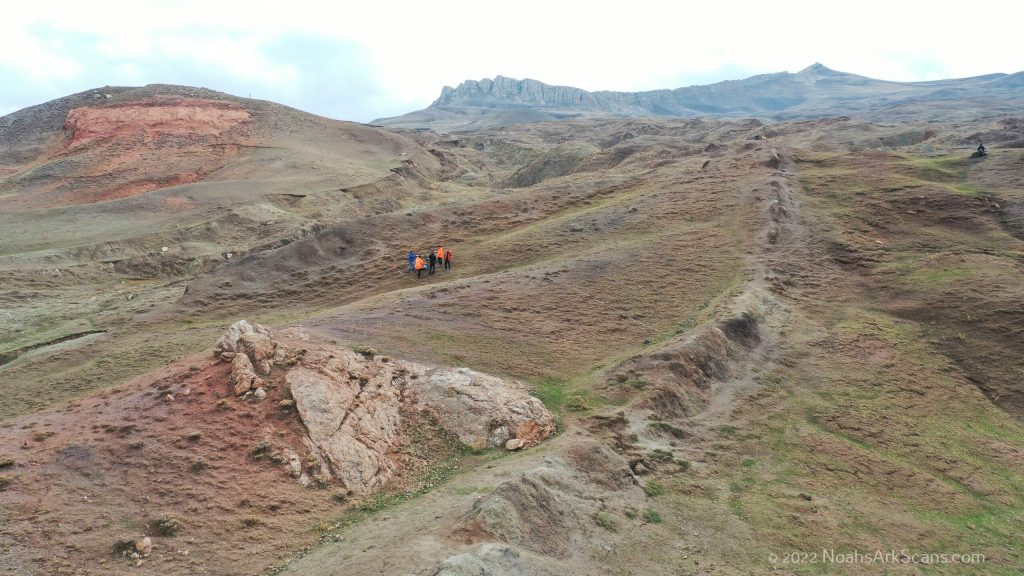
Though definitive proof has remained out of reach, believers have maintained hope that the site holds the key to affirming the historical truth of Genesis. Now, Noah’s Ark Scans believes recent soil tests may offer a significant breakthrough, suggesting that ancient, decayed wood lies buried within the structure.
The researchers collected samples from the area last September, analyzing them through the winter. Their findings, according to a statement from the organization, “show significantly higher levels of organic matter and potassium compared to surrounding areas.”
“[The results] provide compelling evidence of a unique, potentially man-made structure beneath the surface, distinct from the surrounding mudflow,” the group said.
“These findings suggest the presence of decayed wood or other organic materials, consistent with a large, ancient structure preserved within the mudflow,” the statement added.
Lead archaeological researcher Andrew Jones told Fox News Digital that the team registered 2.72 times more carbon inside the boat-shaped formation compared to its surroundings.
“The soil composition is markedly different from the natural mudflow, indicating something extraordinary at this site,” he said.
Jones, echoing a pattern seen throughout the Genesis narrative, noted how the unique composition of the soil could point to the presence of wood — just as the Lord instructed Noah in Genesis 6:14: “Make yourself an ark of gopher wood; make rooms in the ark, and cover it inside and out with pitch.”
“The rotting ancient wood inside the boat-shaped area is likely creating a localized soil microenvironment by lowering pH … increasing organic matter [and] elevating potassium,” Jones said.
“Rotting wood directly contributes to soil organic matter,” he added. “As wood decomposes, it breaks down into humus, a stable form of organic matter rich in carbon. This increases the organic matter content in the soil where the wood is located.”
Soil scientist William Crabtree also affirmed the findings.
“The soil composition is markedly different from the natural mudflow, indicating something extraordinary at this site,” Crabtree stated.
Further lending weight to the Ark hypothesis are physical indicators that Jones described as structural.
“The presence of hallways and room-like structures points to a man-made origin for the boat shape,” he said. “The re-analysis confirms what we suspected: These are not random shapes in the mudflow.”
Though no physical excavations are planned for this year, researchers intend to continue analyzing the site using non-invasive methods, including geophysical surveys and possible core drilling in the coming year.
“We are focused on more non-destructive techniques to understand what’s below the ground and more soil analysis as well,” Jones said. “Our plan is to do a much larger soil test and take deeper samples from the ground.”
For many, this project is more than a scientific quest — it’s a reaffirmation of divine truth. Just as Noah’s Ark was a vessel of salvation amidst judgment, pointing to God’s covenant faithfulness (Genesis 9:13), the modern search for the Ark serves as a symbol of the enduring relevance of biblical history. As Jesus Himself said in Matthew 24:37, “As it was in the days of Noah, so it will be at the coming of the Son of Man.”
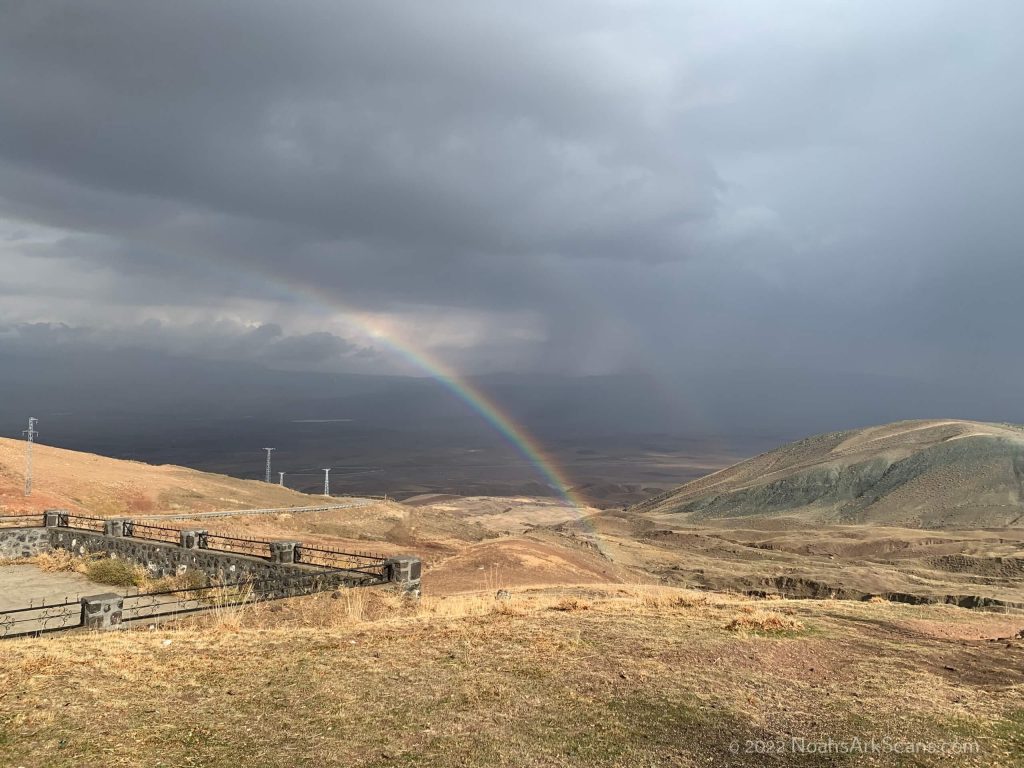
Should further evidence continue to point toward the Genesis account, the Durupinar site may stand as a remarkable testament — not only to ancient engineering but to the enduring truth of Scripture and the God who delivers through the storm.